How to Extend Your Golf Bag’s Lifespan: 2026 Guide for Golfers & Brands delivers practical maintenance, storage, and daily care tips to help individual golfers and golf equipment brands maximize product durability and reduce replacement frequency. For everyday golfers, a high-quality golf bag is a long-term investment that carries expensive clubs, accessories, and outdoor gear. For B2B golf brands and wholesalers, guiding end users on proper golf bag maintenance improves product reputation, reduces unnecessary after-sales disputes, and enhances customer loyalty. Learning how to extend your golf bag’s lifespan correctly helps both users and brands minimize wear and tear, preserve functional performance, and maintain a brand-new appearance for years.
Most golf bags fail prematurely not due to manufacturing defects, but improper daily use, poor cleaning habits, and incorrect long-term storage. Fading fabric, peeling waterproof layers, broken zippers, mold growth, and deformed structures are the most common aging issues. With targeted routine care and seasonal protection aligned with 2026 outdoor usage standards, golf bags can maintain stable performance and extend service life significantly. This guide breaks down professional and easy-to-follow methods to extend your golf bag’s lifespan for casual golfers, professional players, and golf retail brands.
Why Golf Bags Wear Out Prematurely (Common Root Causes)
Golf bags endure complex outdoor environments and frequent friction, making them prone to progressive aging. Long-term sun exposure causes UV degradation and fabric fading, while rainy and humid course conditions lead to waterproof layer failure and mold growth. Daily cart friction, overloaded club storage, and rough handling damage stitching, dividers, and hardware components. Many users also make the mistake of using harsh chemical cleaners or leaving bags wet and folded, accelerating material aging and structural damage.
For golf brands, educating customers on these aging causes is essential. Most after-sales complaints about “short service life” stem from user error rather than quality problems. Standardized maintenance guidance effectively reduces false quality disputes and improves brand credibility in the competitive 2026 golf market.
Daily Usage Habits to Effectively Extend Golf Bag Lifespan
Scientific daily use is the most cost-effective way to extend golf bag service life. Simple habit adjustments can greatly reduce unnecessary wear and tear and maintain long-term product performance.
First, avoid overloading your golf bag. Each bag has a designed load-bearing limit. Overfilling with excess clubs, heavy accessories, and bulky personal items strains shoulder straps, bottom support structures, and stitching stress points, leading to permanent deformation and loose threads. Reasonable partitioning and lightweight carrying effectively protect the bag’s structural integrity.
Second, reduce direct UV and high-temperature exposure. Long-term outdoor sunlight oxidizes fabric fibers and decomposes waterproof and UV-resistant coatings, causing fading and brittleness. When not in use on the course, place the bag in shaded areas instead of leaving it in car trunks under high temperatures, which accelerates material aging and adhesive failure.
Third, minimize violent friction and collision. Cart bags frequently rub against golf cart frames during movement; adding simple buffer protection avoids surface abrasion and hardware looseness. Gentle handling when picking up and placing the bag prevents divider deformation and zipper damage.
Scientific Cleaning Methods to Avoid Accelerated Aging
Incorrect cleaning is one of the top hidden reasons for shortened golf bag lifespan. Many users use bleach, detergent, or high-pressure water flushing, which destroy waterproof coatings, fade colored fabrics, and corrode metal hardware.
For daily dust and light stains, dry wiping with a soft cloth is sufficient. For stubborn dirt and mud stains, use neutral mild soap and warm water with gentle brushing. Avoid soaking golf bags for long periods, especially bags with complex sponge padding and multilayer waterproof structures. Timely air drying after cleaning prevents internal mildew and odor growth.
Hardware maintenance is also critical. Regularly clean zipper tracks and apply lubricant to avoid jamming and rust. Wipe metal buckles and rod parts dry after rainy day use to prevent oxidation and surface peeling.
Seasonal & Long-Term Storage Best Practices
Proper storage determines the long-term durability of golf bags, especially for off-season storage and long-term idle placement. Humid air, extrusion deformation, and unventilated environments easily cause mildew, fabric wrinkling, and structural collapse.
Before long-term storage, ensure the golf bag is completely dry. Residual moisture is the main cause of mildew and waterproof layer peeling. Store the bag upright in a dry, ventilated room instead of folded or compressed, which can cause permanent creases and divider deformation. Use dust covers for protection to isolate dust and avoid long-term light exposure.
In humid seasons, place desiccants in storage areas to control air humidity. For coastal regions and rainy climates, regular ventilation and inspection effectively prevent mold growth and material aging.
Brand Value: Why Maintenance Guides Boost B2B Sales
For 2026 golf B2B brands and wholesalers, publishing professional maintenance content helps differentiate products and build user trust. Brands that provide clear guidance on how to extend your golf bag’s lifespan effectively reduce return rates caused by improper use, improve user review scores, and form word-of-mouth advantages. Compared with competitors who only sell products, value-added usage guidance enhances brand professionalism and user stickiness, driving repeat orders and retail conversion.
Final Thoughts
How to Extend Your Golf Bag’s Lifespan: 2026 Guide for Golfers & Brands summarizes practical daily usage, cleaning, and storage strategies to avoid premature golf bag aging. Most service life issues are controllable through standardized maintenance habits. For individual golfers, correct care protects equipment investment and maintains consistent bag performance. For golf brands, professional maintenance education reduces after-sales pressure, enhances brand reputation, and creates unique market competitiveness in the 2026 global golf retail industry.
OEM & ODM Service
Whether you’re planning to build your own brand, develop new products, or find a stable manufacturing partner for the US and European markets, working with a professional OEM & ODM factory can significantly improve your product quality and market competitiveness.
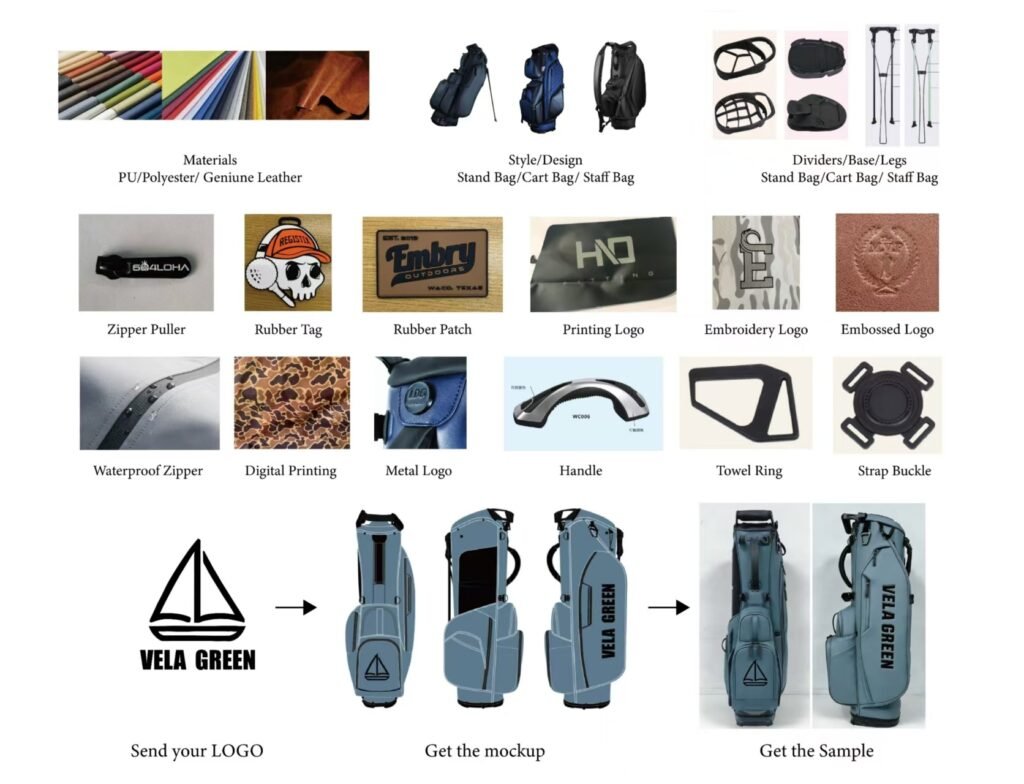
At Vela Green, we provide full-range OEM & ODM services for golf bags, golf headcovers, gloves, towels and other golf accessories. We support custom design, material selection, logo branding, color matching and mass production, strictly complying with CPSC, REACH and other international standards. With mature production experience, reliable quality control and professional export support, we help brands and importers develop market-oriented products with efficient lead times and flexible order quantities.