For B2B golf bag brands, importers, and retailers targeting US and European markets, effective inventory management is the backbone of sustainable growth. In 2026, Western B2B buyers face unique challenges: fluctuating market demand, long supply chain lead times, high storage costs, and the risk of overstocking or stockouts—all of which directly impact profitability. This blog is tailored exclusively for B2B players, breaking down proven inventory management strategies for golf bags, how to optimize stock levels, and how to implement efficient replenishment plans to meet US/EU market demands, reduce costs, and build trust with retail partners.
Why B2B Golf Bag Inventory Management Matters in 2026
The US and European golf bag markets are dynamic—demand shifts with seasons (peak golf season: spring to fall), trends (sustainable designs, compact models), and retail cycles. For B2B brands, poor inventory management leads to costly consequences: overstocking ties up capital and increases storage/warehousing costs; stockouts result in lost sales, damaged retailer relationships, and missed market opportunities. In a competitive B2B landscape, optimizing inventory and replenishment isn’t just a operational task—it’s a strategic advantage that helps you retain retail partners, reduce waste, and scale your business in Western markets.
For B2B buyers (retailers, golf clubs, distributors), reliable inventory availability and timely replenishment are top priorities—brands that can deliver consistent stock will stand out and secure long-term partnerships.
Key B2B Golf Bag Inventory Pain Points (And How to Solve Them)
B2B golf bag brands face unique inventory challenges that differ from consumer-facing businesses. Below are the most common pain points and actionable solutions tailored to US/EU markets:
1. Overstocking of Slow-Moving Models
Many B2B brands overstock generic or slow-moving golf bag models, tying up capital and storage space. Solution: Analyze 12–24 months of sales data to identify high-demand models (e.g., sustainable golf bags, compact travel bags) and low-performing SKUs. Phase out slow-moving products by offering B2B discounts or bundling them with high-demand items. For new models, start with small MOQs (Minimum Order Quantities) to test market demand before scaling production.
2. Stockouts of High-Demand SKUs
Stockouts of popular golf bag models (e.g., weather-resistant cart bags, lightweight stand bags) lead to lost retail orders and damaged trust. Solution: Set reorder points (ROP) based on lead times (typically 25–45 days for US/EU imports) and historical demand. Use inventory management software to track real-time stock levels and send automated alerts when stock falls below the ROP. Partner with a flexible OEM supplier who can handle quick replenishment for high-demand SKUs.
3. High Warehousing & Storage Costs
US and European warehousing costs are among the highest globally—storing excess golf bags eats into profit margins. Solution: Adopt a just-in-time (JIT) inventory strategy for non-peak seasons, reducing on-hand stock and storage costs. For peak seasons (spring/fall), partner with local US/EU warehouses to reduce shipping times and costs, ensuring timely replenishment for retailers without overstocking.
4. Supply Chain Delays Disrupting Replenishment
Long shipping times, port delays, and supply chain disruptions (e.g., material shortages) often derail replenishment plans. Solution: Diversify your supplier base to avoid reliance on a single OEM. Build safety stock (5–10% of monthly demand) for high-demand SKUs to buffer against delays. Work with logistics partners who specialize in US/EU golf gear imports, ensuring faster customs clearance and on-time delivery.
Proven B2B Golf Bag Inventory Optimization Strategies (2026 Updated)
1. Segment Inventory by Demand & Profitability
Use the ABC analysis to segment your golf bag inventory: A (high-demand, high-profit SKUs, e.g., sustainable OEM golf bags), B (medium-demand, medium-profit), and C (low-demand, low-profit). Allocate resources (storage, replenishment focus) to A-tier SKUs, as they drive 70–80% of revenue. For C-tier SKUs, reduce stock levels or discontinue them to free up capital.
2. Align Inventory with US/EU Seasonal Demand
US and European golf seasons follow a clear cycle: peak demand (March–October), slow season (November–February). Adjust inventory levels accordingly: stock up on high-demand models (e.g., lightweight stand bags) 1–2 months before peak season. During slow seasons, focus on replenishing core SKUs and reducing excess stock through B2B promotions (e.g., bulk discounts for retailers).
3. Leverage Data-Driven Replenishment
Invest in B2B inventory management software that integrates sales data, lead times, and retail orders. Use predictive analytics to forecast demand for each SKU, ensuring you replenish stock at the right time and in the right quantity. For example, if historical data shows a 30% increase in demand for waterproof golf bags in spring, adjust your replenishment plan to avoid stockouts.
4. Collaborate with Retail Partners for Demand Insights
Your B2B retail partners have direct access to consumer demand—collaborate with them to gather insights on popular models, color preferences, and seasonal trends. This helps you align inventory with actual market needs, reducing the risk of overstocking or stockouts. Offer flexible replenishment terms (e.g., consignment inventory) to build trust and strengthen retail partnerships.
How to Choose Inventory Management Tools for B2B Golf Bags
For B2B golf bag brands, the right inventory management tool can streamline operations and reduce errors. Look for tools with these key features:
- Real-time stock tracking (across multiple warehouses/regions)
- Demand forecasting and automated reorder alerts
- Integration with B2B e-commerce platforms and logistics partners
- Reporting capabilities (sales trends, inventory turnover, stock levels)
- Support for multi-SKU management (different golf bag models, colors, sizes)
Final Thoughts for B2B Golf Bag Brands
In 2026, effective inventory management is non-negotiable for B2B golf bag brands looking to succeed in US and European markets. By solving common inventory pain points, leveraging data-driven strategies, and aligning stock with market demand, you can reduce costs, avoid stockouts, and build long-term relationships with retail partners. Remember: inventory management isn’t just about storing products—it’s about optimizing your supply chain to deliver the right golf bags, at the right time, to the right buyers. With the right approach, you can turn inventory into a competitive advantage in the global B2B golf gear market.
OEM & ODM Service
Whether you’re planning to build your own brand, develop new products, or find a stable manufacturing partner for the US and European markets, working with a professional OEM & ODM factory can significantly improve your product quality and market competitiveness.
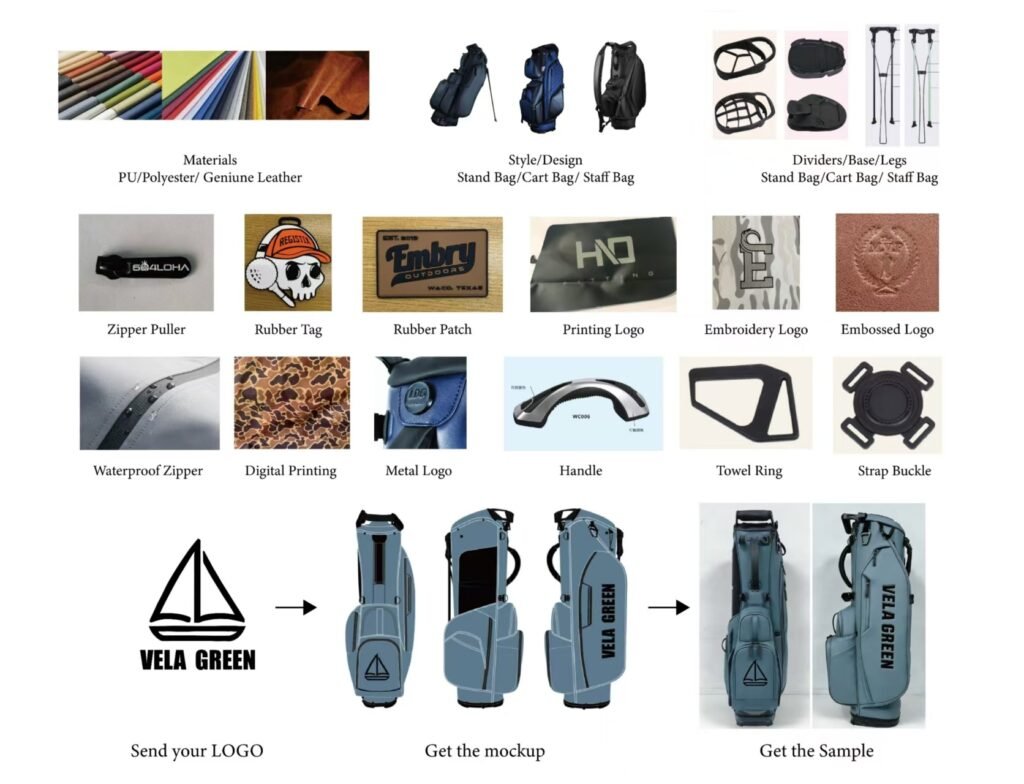
At Vela Green, we provide full-range OEM & ODM services for golf bags, golf headcovers, gloves, towels and other golf accessories. We support custom design, material selection, logo branding, color matching and mass production, strictly complying with CPSC, REACH and other international standards. With mature production experience, reliable quality control and professional export support, we help brands and importers develop market-oriented products with efficient lead times and flexible order quantities.